
Heritage & Traditional Windows
Vacuum glazing options for traditional timber windows, period properties and carefully planned refurbishment.
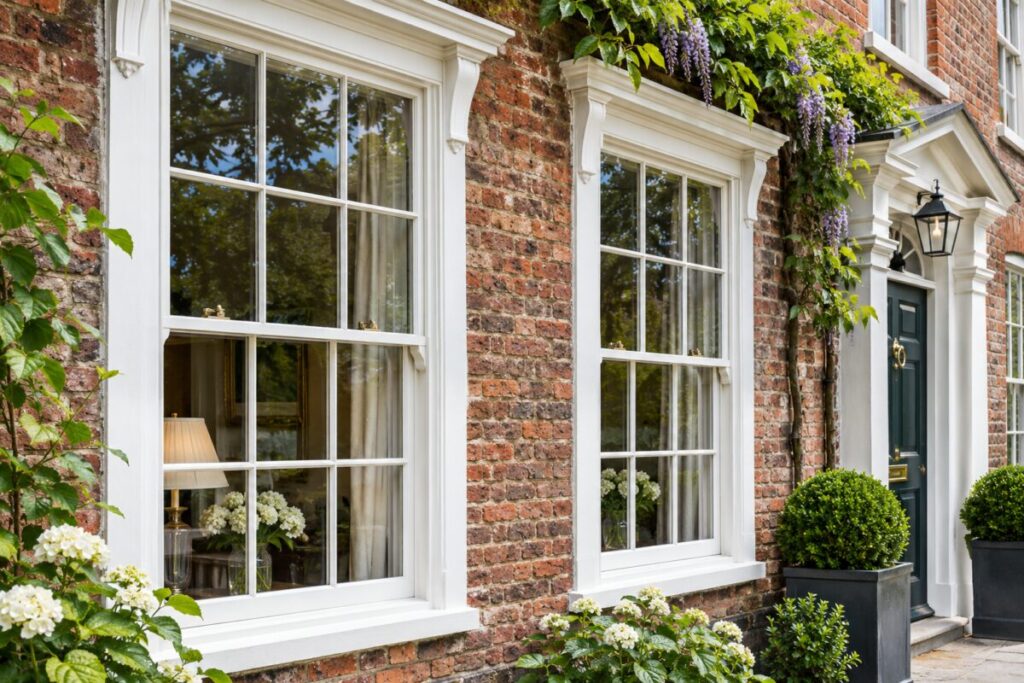
AI-generated application illustration, not a photograph of an installed project.
Start with the character of the window
A glazing upgrade should begin with the existing window, not just the glass. Sash proportions, glazing bars, frame profiles and the visible glass edge all influence the finished appearance. A slim vacuum unit may be considered where the frame can accommodate the proposed construction.
Assess the frame before choosing the glass
Provide photographs and measured sections showing rebate depth, edge cover and the condition of the timber. Glass weight, sash balances, beads, drainage and sealant compatibility should be assessed by the project team. A slim unit is not automatically a direct replacement for an existing pane.
Agree the design before manufacture
For protected or historic buildings, establish the project permissions and design requirements with the relevant advisers before ordering. Final glass construction, dimensions and installation details should follow the agreed design and the selected manufacturer's guidance.
What to send with your enquiry
Include the number of windows, glass sizes in millimetres, frame sections, photographs, preferred appearance and delivery postcode. Tell us whether you are retaining existing frames or specifying new joinery, and include any approved drawings or project conditions.
Discuss your project
Send your drawings, dimensions, quantities and delivery postcode. Product suitability, performance and supply arrangements are confirmed for your project.